Websites for breweries and wineries
Brewery and winery websites that show what is pouring and fill the tasting room
People decide to visit a taproom or tasting room on short notice. A group text asks whether you are open, what is on tap, whether there is music tonight and whether they need a reservation for six. If the website answers those in one screen on a phone, they come. If it shows last spring's beer list and a Facebook link for events, they go somewhere that does. A good brewery or winery site keeps that information current without a developer and respects the extra rules that come with selling alcohol.
Start a projectWhat the site needs to do
The current day's hours, kitchen or food truck schedule and the live tap list or tasting flight, visible before anyone scrolls.
Each beer or wine as an entry with style or varietal, ABV, pour sizes and prices, and an on or off switch for when a keg kicks or a vintage sells out.
Release days, trivia, live music and winemaker dinners with a date, time, price and ticket or RSVP link, so each one can be shared and found in search.
Time slots that close when the room or the tasting bar is full, a party size limit, group booking requests and a clear note that guests who taste must be 21 or older.
Tiers, shipment or pickup schedule, member pricing, how billing works and how to skip or cancel, written plainly before anyone enters a card.
Mistakes I see most
- Posting the tap list as a photo of the chalkboard that phones cannot zoom and Google cannot read
- Website hours that disagree with Google Business Profile, especially on holidays and private event days
- Putting every event only on Instagram, so the site never ranks for "brewery events near me" or "wine tasting this weekend"
- Shipping or club signup forms that accept any state and any age, with no note about where you can legally ship
Related work
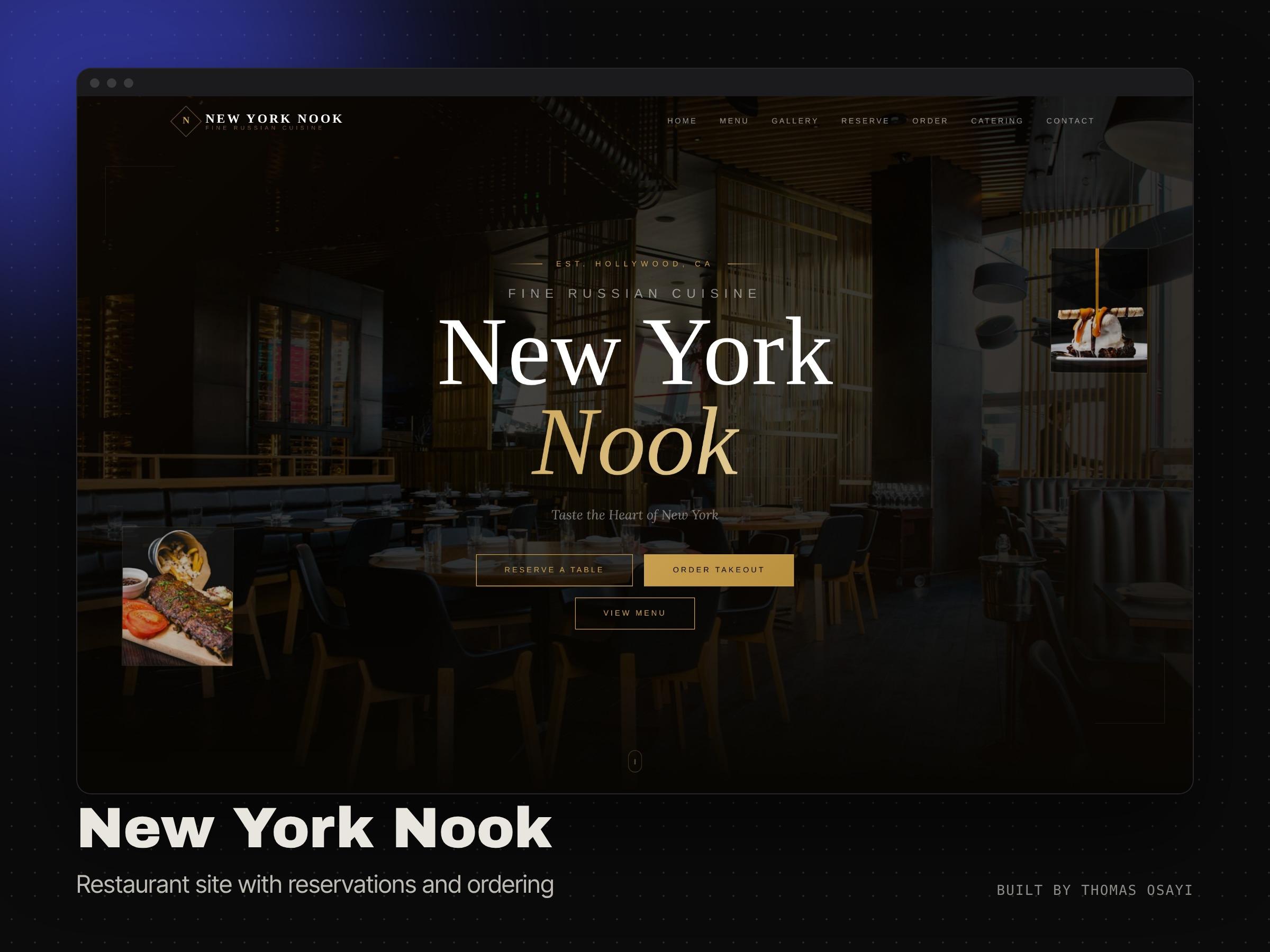
New York Nook
Restaurant website for a Russian restaurant in Hollywood with reservations and pickup ordering.
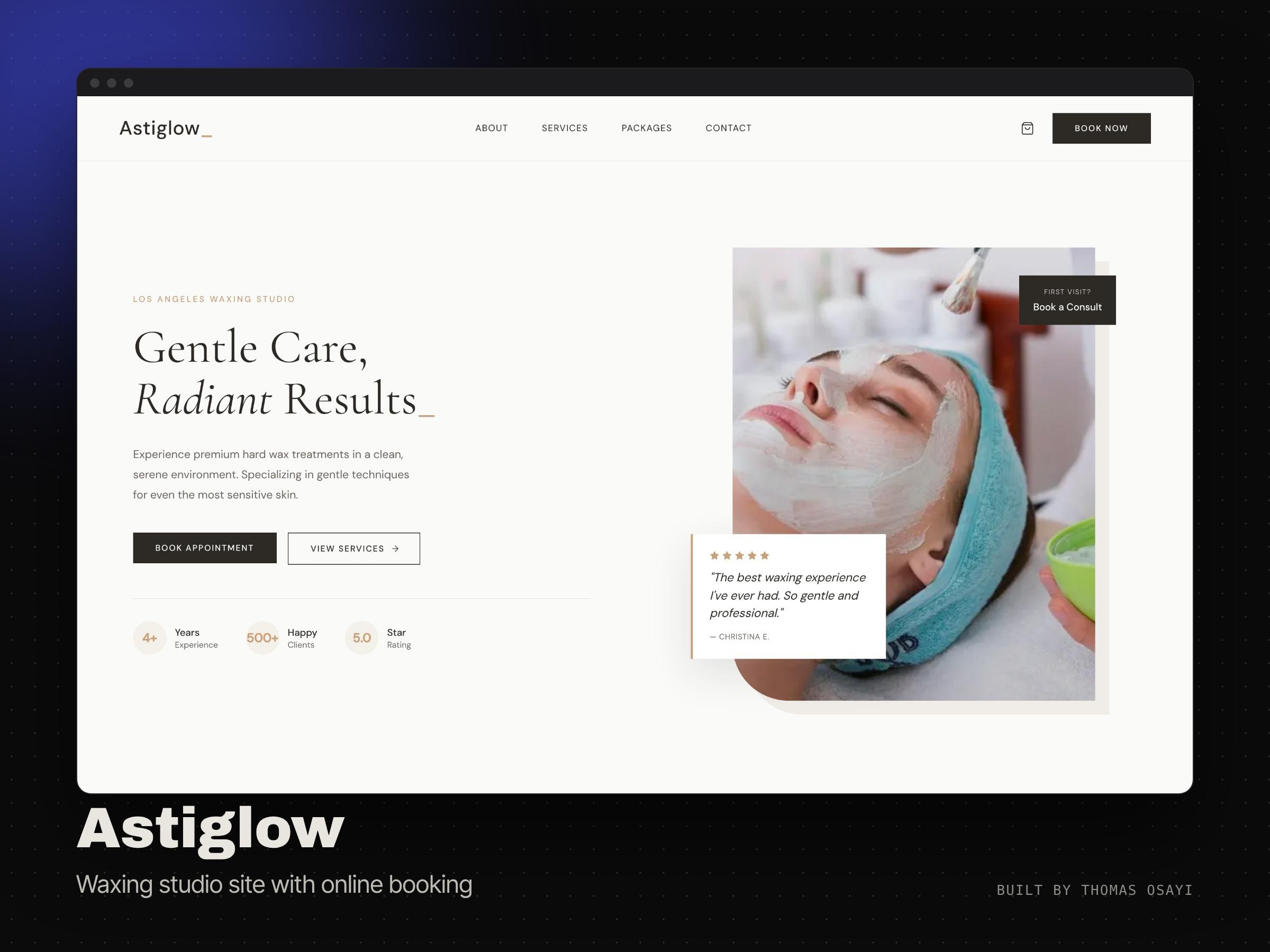
Astiglow
Website for a waxing studio with online booking and service packages.

Artistic Printing
Website and quote management tool for a commercial printer, with structured client intake.
Pricing
A taproom or tasting room site with hours, an editable tap list or tasting menu, an events calendar and a reservation request form fits the Business Site package from $450. Paid event tickets, club memberships with recurring billing, or online bottle and can sales with shipping rules make it a Full Custom Build from $1,200. See the Custom Next.js websites for businesses packages, or get a quick estimate with the website cost calculator.
What should a brewery or winery website show first?
It should show today's hours, what is pouring right now and the next event, because those are the three things people check before they drive over.
The home page of a taproom or tasting room site is closer to a live status board than a brochure. Put a line at the top that reads like "Open today 2 pm to 10 pm, food truck from 5 pm" and update it automatically from your weekly hours, with overrides for holidays and private buyouts. Below it, show the current tap list or tasting flight and a card for the next one or two events. Your story, the barrel room photos and the history of the vineyard belong further down, where people who already decided to visit will read them.
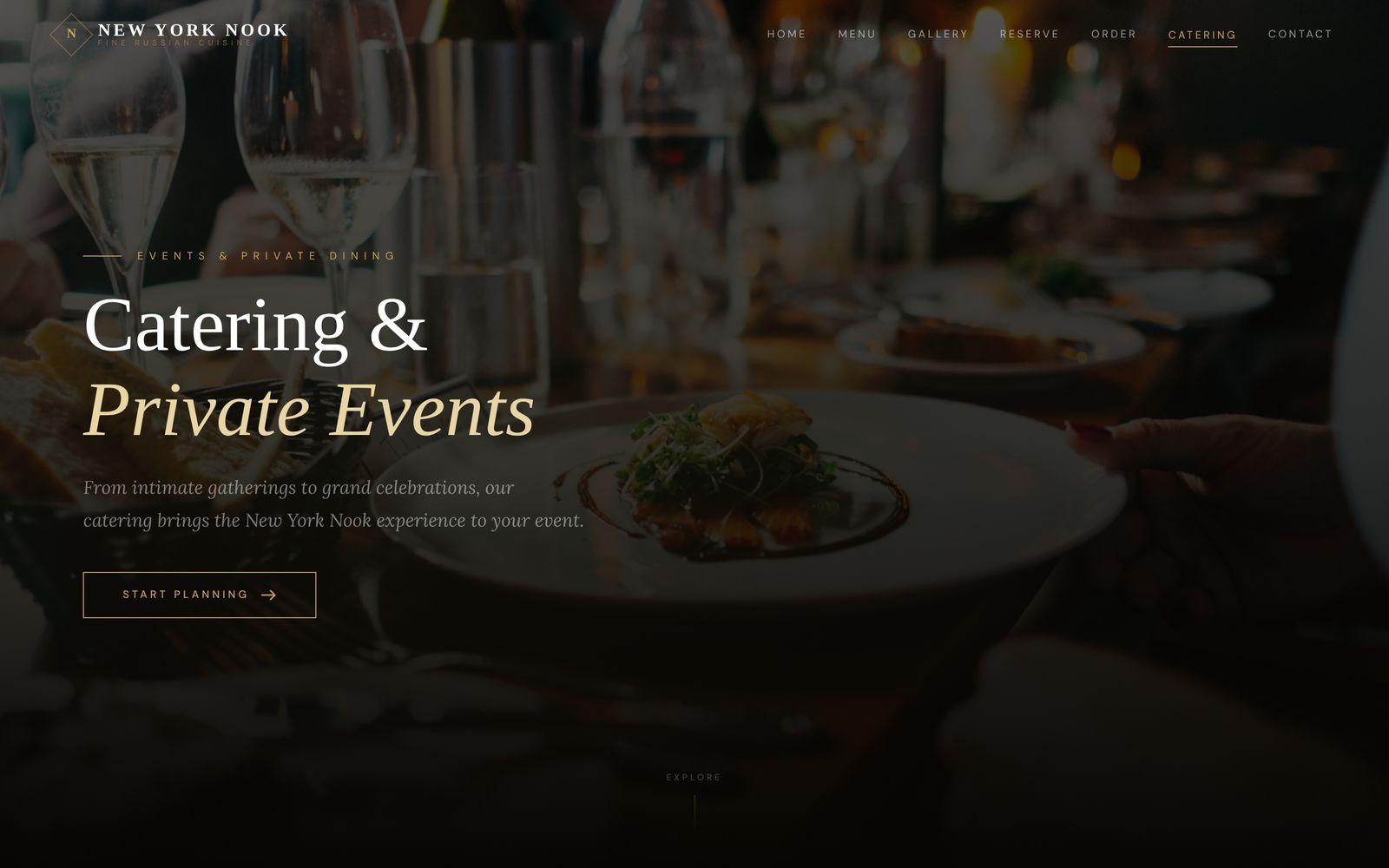
I have not built a site for a brewery or winery yet. The closest work I have done is for New York Nook, a restaurant in Hollywood, where the home page leads with reserving a table, ordering takeout and viewing the menu, and private events have their own page. A taproom needs the same priorities with a different menu.
How should a tap list or tasting menu stay current?
It should be a set of structured entries your staff can switch on and off from a phone, not an image of the chalkboard.
Each beer or wine gets a short record: name, style or varietal, ABV, a one-line description, pour sizes with prices, and flags for whether it is on tap, available in cans or bottles to go, or members only. When a keg kicks, a bartender flips it off and the site updates. Because the list is real text, phones render it cleanly and search engines can read it, so a search for your new hazy IPA or a specific vintage can land on your page.
If you already keep your list in a tap list service or a point of sale system that publishes a feed, the site can display that feed instead of asking staff to update two places. Either way, keep a "last updated" time visible so visitors trust it.
How should tasting reservations and events work?
Reservations should offer only the slots you can actually serve, and every event should have its own shareable page with a date, price and way to RSVP or buy a ticket.
For tastings, a booking form needs a date, time slots with a capacity per slot, party size, and a field for notes such as a birthday or a group from work. Groups above a size you choose should become a request your team approves, often with a deposit. State your policies before the form, not after it: whether everyone who tastes must be 21 or older with ID, whether children and dogs are welcome, cancellation terms and whether walk-ins are accepted.
Events work best as individual pages generated from a calendar: trivia night, live music, a release party, a winemaker dinner. Each page shows the time, cost, what is included and a button for tickets or an RSVP, and it can be shared on its own. Recurring events like a weekly trivia night should be entered once and repeat automatically.
How should beer and wine club memberships work online?
A club page should explain the tiers, schedule, pricing and cancellation terms in plain language, then hand signups to a payment system that handles recurring billing.
Club members are often a producer's most loyal customers, and the signup page is where trust is won or lost. Spell out what each tier includes, how often shipments or pickups happen, member discounts in the tasting room, when cards are charged and how to skip a release or cancel. Members should be able to update a card or address without calling you.
If you already run your club on a dedicated wine club or point of sale platform, the website should explain the club clearly and link into that platform rather than duplicating it. A custom club with its own member accounts and billing is a larger build. The packages page I built for Astiglow, a waxing studio, shows the simpler end of this idea: clients buy a bundle of sessions up front and use it over time, and the page answers how credits apply, when they expire and whether they can be shared before anyone pays.
Does a brewery or winery website need an age gate?
I could not find a federal rule that requires a pop-up age gate on a producer's website, but many breweries and wineries add one as a good faith signal, and the checks that carry legal weight happen at the sale and at delivery.
What does exist is industry self-regulation aimed at advertising. In 2022 the Beer Institute and the Brewers Association raised their standard so beer advertising should appear only in media where at least 73.6 percent of the audience is 21 or older, according to a summary by the law firm Davis+Gilbert. Wine and spirits trade groups have their own codes.
If you use an age gate, build it as a light overlay that asks once and remembers the answer, and keep the page underneath as normal readable content so search engines can still read your menu and events. Apply the real controls where they count: an age confirmation at online checkout, ID checks in the taproom and adult signature delivery for shipments.
This is general information, not legal advice. Your licensing agency and an alcohol beverage attorney are the right sources for your situation.
What advertising and shipping rules should the site respect?
Treat the whole website as an advertisement under federal rules, and only offer shipping where your license and the destination state allow it.
TTB Industry Circular 2024-1 says websites and mobile websites must comply with the TTB advertising regulations and that TTB generally treats a website and its subpages as a single advertisement. It points to mandatory information such as the responsible advertiser's name and address and the class and type of the product, and says general brand or company advertising needs at least the responsible advertiser's name, city and state. It also says content created by someone else that you repost or like is treated as your advertising. A footer with your legal name, city and state on every page is an easy baseline.
For shipping in California, the Wine Institute's summary says shipping to adult California consumers is a basic privilege of a Type 02 winegrower license, out-of-state wineries need a Type 82 Wine Direct Shipper Permit from the California Department of Alcoholic Beverage Control, and packages must be labeled "CONTAINS ALCOHOL: SIGNATURE OF PERSON AGE 21 YEARS OR OLDER REQUIRED FOR DELIVERY." For beer, the California Craft Brewers Association's FAQ says a Type 23 license lets a brewery sell and ship beer directly to consumers in California, that online and phone orders count as sales on the licensed premises, that deliveries cannot be made between 2 am and 6 am, and that the brewery stays liable if a delivery reaches someone underage or intoxicated.
A shipping form should therefore check the destination state against a list you control and block the rest, collect a date of birth, and pass the adult signature requirement to your carrier. Rules change and differ by state, so confirm them with the California ABC, the destination state and your attorney. This section is general information, not legal advice.
The bottom line
A brewery or winery site earns its keep by answering "are you open, what is pouring and what is on tonight" in one screen, letting staff update the tap list in a minute, taking reservations and event signups without phone tag, and handling clubs and shipping inside the rules. A taproom site with those basics fits the Business Site package, and if you want a rough number for your own setup first, the website cost calculator is a good place to start.
Questions
Can my staff update the tap list without a developer?
Yes. The tap list can be a set of entries in a simple admin or CMS where a bartender switches a beer on or off and edits prices from a phone in under a minute.
Does a brewery or winery website legally need an age gate?
I could not find a federal rule that requires a pop-up age gate on the website itself, but many producers use one as a good faith step, and the legal age checks that matter happen at the sale and at delivery. Check your state rules with your licensing agency or a lawyer, since this is general information and not legal advice.
Do TTB advertising rules apply to my website?
Yes. TTB Industry Circular 2024-1 says websites and mobile websites must comply with TTB advertising regulations, and it generally treats a website and its subpages as one advertisement.
Can a California winery ship wine to customers who order on the website?
The Wine Institute says shipping to adult California consumers is a basic privilege of a Type 02 winegrower license, and out-of-state wineries need a Type 82 Wine Direct Shipper Permit. Other states have their own rules, so confirm with the agencies before you open shipping to them.
Should event tickets be sold on my site or through a ticketing platform?
For a few events a month, a ticketing platform linked from each event page is quicker and cheaper to set up, while tickets sold on your own site make sense once events are a steady part of your revenue.
What does a brewery or winery website cost?
Thomas Osayi builds taproom and tasting room sites on the Business Site package from $450, or a Full Custom Build from $1,200 for club memberships, paid tickets or online sales with shipping.
Building a site for your taproom?
Six quick questions, then an intro call if you want one.
Start a projectOther industries
Restaurants · Therapy practices · Medical clinics · Salons and spas · Startups · Local service businesses · Dental practices · Law firms · Real estate agents · Gyms and fitness studios · Ecommerce brands · Print shops and manufacturers · Nonprofits · Coaches and consultants · Med spas · Physical therapy and chiropractic clinics · Event venues · Car washes and auto detailing · Accountants and bookkeepers · Tutoring and education businesses · Photographers · Architects and interior designers · Plumbers and HVAC companies · Roofers and general contractors · Cleaning services · Landscapers and lawn care companies · Moving companies · Pet groomers and veterinary clinics · Food trucks · Bakeries and cafes · Wedding planners and event pros · Insurance agencies · Home care agencies · Tattoo studios · Churches and faith organizations · Auto repair shops · Property management companies · Florists · Daycare and childcare centers · Funeral homes